
A woman came into my Gulf Shores consult room last spring holding a filtered photo of herself from a decade earlier, asking me to make her look like the picture. Facial rejuvenation treatments are the range of surgical and non-surgical procedures that restore volume, tighten skin, and soften the signs of aging on the eyes, face, and neck. The honest starting point: some of what she wanted was skincare, some was laser, and one piece was surgery she wasn’t ready for.
I’m Dr. Carrie L. Morris, a triple board-certified oculofacial plastic surgeon, and at Southern Coastal Aesthetics, I spend most first consults sorting out exactly that: what a treatment can actually do versus what a photo promised.
Why Sun-Damaged Skin Ages Faster Here
Coastal skin ages differently, and cumulative UV exposure is the reason. Dermatologic research links chronic ultraviolet exposure to accelerated collagen breakdown, pigment changes, and loss of elasticity.
In Gulf Shores, that exposure is doubled by reflected light off the water and sand, which people underestimate constantly. Someone who walks the Gulf State Park trails four mornings a week is getting more scattered UV than they think.

The one saving grace of our climate: warm, humid air typically reduces transepidermal water loss compared with dry environments, so baseline hydration tends to hold better here. That helps skin texture. It does nothing for the pigment and elastosis stacking up underneath.
Non-Surgical Facial Rejuvenation Treatments Explained
Non-surgical options correct volume loss, dynamic wrinkles, and surface texture without incisions or downtime that keeps you home for weeks. This is where most people start, and honestly, it’s where most people should. BOTOX and Dysport relax the muscles that crease the upper face. Dermal fillers, which are FDA-approved through the Premarket Approval pathway for facial and lip augmentation, rebuild volume where fat pads have deflated. IPL photofacials chase the brown and red discoloration our sun leaves behind.
None of these stop the clock. They manage the visible layer. A patient who commits to injectables and sun protection but skips the surgical conversation entirely will still see her lower lids and jawline change, because that’s structure, not surface. We tell people that plainly, even when it’s not what they booked to hear.
Laser Skin Resurfacing With the UltraPulse CO2
CO2 laser resurfacing removes damaged surface layers so new collagen rebuilds tighter, smoother skin underneath.
I use the UltraPulse CO2 laser for this, and for eyelid surgery as a bladeless alternative to a scalpel. The same wavelength that resurfaces texture and pigment lets me make eyelid incisions that cut and cauterize at once, which means less bleeding in the field.
For resurfacing, the tradeoff is real downtime against real results. This isn’t a lunchtime treatment.
The skin needs to heal, and in our climate that means staying out of direct sun during recovery, no negotiating. We’ve had patients try to sneak a beach afternoon mid-heal. It shows up later as pigment, and then we’re managing a problem I warned them about.
BOTOX and Dysport for the Upper Face
BOTOX and Dysport soften the frown lines, forehead creases, and crow’s feet caused by repeated muscle movement, with results that build over several days. Randomized trials of onabotulinumtoxinA for glabellar frown lines report investigator-rated improvement of at least two grades in a large majority of treated patients at 30 days, versus 3 to 10 percent on placebo. That’s a genuinely reliable procedure.
Injection itself typically varies by configuration to 15 minutes for the common areas once we’ve finished consultation and planning. Serious complications are rare; the common ones, headache or a temporary eyelid droop or injection-site reaction, show up in a small minority of patients in large studies. Most patients rate themselves satisfied or very satisfied in the first few months.
Where people trip up is expecting a frozen result. I don’t do frozen. A forehead that can’t move reads as work, and work is the opposite of what I’m going for.
Facial Rejuvenation for Mature Skin
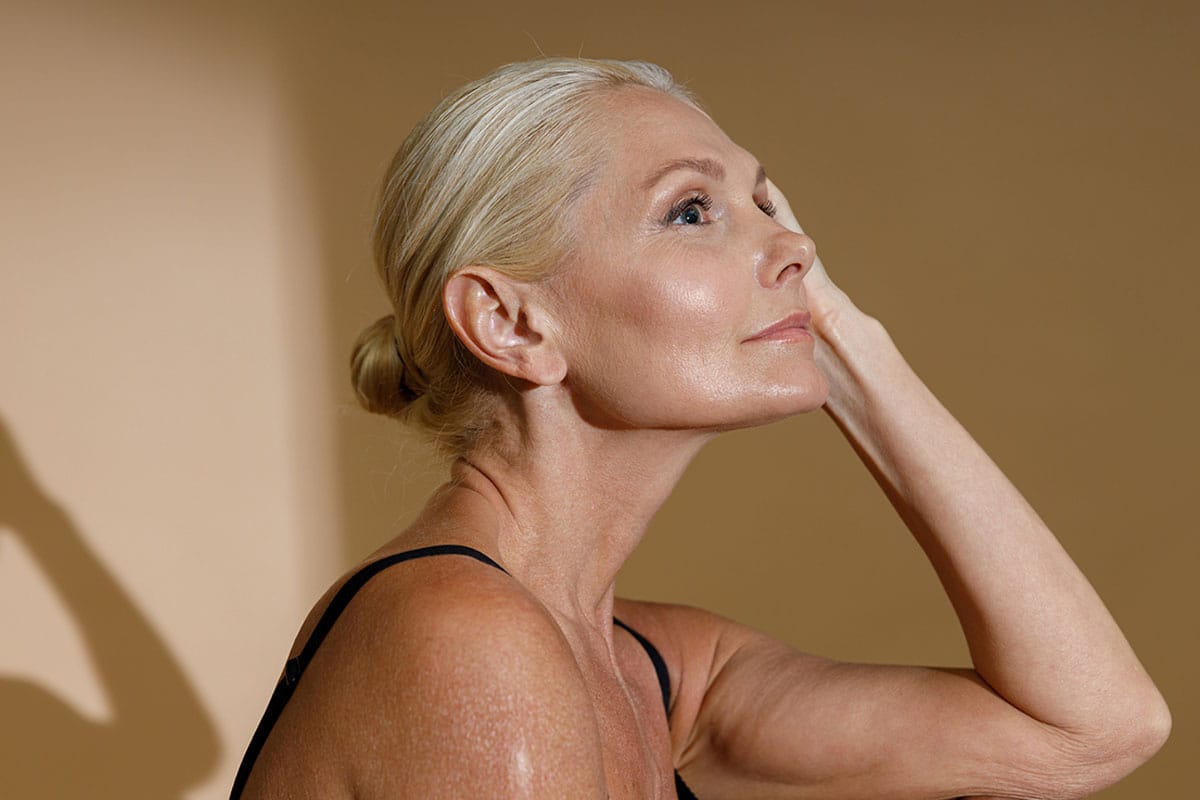
Mature skin usually needs a combination, not a single treatment, because volume loss and skin laxity and surface damage arrive together. This is the section I spend the most time on, because it’s where the wrong plan wastes the most money.
Here’s what I mean. A woman in her sixties comes in unhappy with how tired she looks. On exam, three separate things are happening.
Her upper eyelids have hooded enough to sit on her lashes, which is structural and won’t answer to any cream or injectable. Her midface has deflated, so the fillers she’s been getting elsewhere are chasing volume in a face that keeps sliding downward. And decades of Gulf sun have left elastosis and pigment that only laser skin resurfacing touches.
Treat one and ignore the other two, and she’ll be back, still unhappy, convinced the treatment failed. It didn’t fail. It was the wrong treatment for two-thirds of her problem.
For the eyelid piece, I lean toward laser blepharoplasty. Most patients feel comfortable returning to light activities within three to five days after eyelid surgery, with brief tightness or dryness or blurred vision that resolves quickly, contingent on individual healing and my clearance in person.
Those results typically last a decade or more with sun protection and occasional non-surgical facelift maintenance. That longevity is why I’d rather do the surgery once, correctly, than layer filler over a structural problem year after year.
The sequencing matters and I’ll admit I go back and forth on it. Some surgeons resurface first, then do the lift. I usually prefer to address structure before surface, but I’ll be honest that the ideal order depends on the individual skin and I don’t hold a rigid rule.
On very sun-damaged skin I sometimes reverse myself mid-plan after seeing how the tissue behaves. What I won’t do is promise a mature-skin patient that one visit fixes everything. It doesn’t, and anyone telling you otherwise is selling.
The feminine eye matters here too. I’m looking at how these features balance on a real face in motion, not chasing a number on a wrinkle scale. My approach to natural-looking results is built on honoring what’s already there.
Facial Rejuvenation by the Numbers
The strongest data behind these treatments sits in the injectables research, and it’s worth knowing before you commit. Botulinum toxin studies for upper-face rejuvenation typically report high satisfaction, with most patients rating themselves satisfied or very satisfied in the first three to four months. Hyaluronic acid filler results in the lips typically last about 6 to 12 months before gradually resorbing, with subtle residual effects persisting up to around 18 months in some patients depending on product and location of placement.
| Treatment | Typical result window | Reported satisfaction |
- | BOTOX / Dysport (upper face) | Builds over days; months of effect | ~80-90% satisfied |
- | HA lip filler | 6-12 months, up to ~18 in some | 80-90%+ improved |
- | Laser blepharoplasty | 10+ years [practice] | high, per my practice |
Filler injection time itself typically varies by configuration to 30 minutes or more depending on the amount of syringes used, placement location, and degree of fine lines treated after consultation, photography, planning, and numbing. Recovery from filler is quick: most people return to routine activities immediately, with swelling and minor bruising improving within a few days, which makeup can camouflage, and results settling by about two weeks.
The Bruise That Ruined a Countdown
Alcohol before injectables causes bruising, and nobody wants to believe me until it happens to them. I had a patient book fillers a few days before her daughter’s wedding, then celebrate the night before her appointment with wine.
She bruised. We managed it, and the makeup artist covered most of it, but she spent the reception self-conscious about her lip.
That’s the timing lesson I repeat most. If you have an event, come in with a cushion of at least two weeks, not two days.
What Coastal Living Demands After Treatment
Sun protection after any facial treatment is non-negotiable in this climate, more than anywhere we’ve practiced. For lip and skin patients, that means broad-spectrum SPF 30 or higher, reapplied every couple of hours outdoors or after swimming, plus SPF lip balm. Freshly treated or resurfaced skin pigments abnormally under UV, and our reflected coastal light finds it.
Heat and humidity increase blood flow and swelling after procedures too, so I often advise patients to plan treatments around their beach schedule, not the other way around. You can review our med spa options before deciding what fits your calendar.
How to Choose the Right Provider
Choose a provider by credential and portfolio, not by price or a discount promotion. Ask who is actually performing the injection or the laser, verify board certification, and look at real before-and-after photos of that provider’s own patients. According to the American Society of Plastic Surgeons, interest in aesthetic procedures remained consistent even amid economic uncertainty in 2024, which speaks to how seriously patients take these decisions. The American Board of Plastic Surgery and equivalent specialty boards require years of documented training and examination for a reason.
Red flags I’d walk away from: a provider who won’t tell you their certification, one who promises permanence on a temporary filler, or a deep discount that only makes sense if corners get cut somewhere. For anything near the eyes, ask specifically about their oculofacial or eyelid experience.
The eye is unforgiving. You can start with our eyelid and facial surgery details if that’s your concern.
Planning Your Facial Rejuvenation Treatment
Book a consultation before you decide on any single procedure, because the right plan almost always combines a few treatments in the right order. At Southern Coastal Aesthetics in Gulf Shores, AL, I sit down and map what your skin, your structure, and your calendar actually need, then sequence it around our sun.
Prioritize yourself and do what feels right for your own face. Call to schedule a personalized facial rejuvenation assessment, and we’ll build the plan from there.
Cost figures referenced here are national averages drawn from published research for general reference only. They aren’t a quote, and your actual cost is determined at an in-person consultation.
By Dr. Carrie Morris, Oculofacial Plastic Surgeon
Triple board-certified in oculofacial plastic surgery, cosmetic laser surgery, and ophthalmology, with over 18 years of experience; Duke-trained and fellowship-trained at the University of Tennessee and Vanderbilt.
Frequently Asked Questions
What is the difference between surgical and non-surgical facial rejuvenation treatments?
Non-surgical facial rejuvenation treatments, including neuromodulators like BOTOX and Dysport, dermal fillers, IPL photofacials, and laser resurfacing, address surface texture, pigment, dynamic wrinkles, and volume loss without incisions or extended recovery. Surgical options, such as blepharoplasty, correct structural changes like eyelid hooding or significant skin laxity that no injectable or topical treatment can reverse. The practical distinction is that non-surgical treatments manage what shows on the surface, while surgery addresses the underlying architecture. Most patients over 50 need both categories addressed, not one or the other.
How long do facial rejuvenation results typically last?
How long results last depends on which treatment is used. Neuromodulator results from BOTOX or Dysport generally require maintenance every 3 to 4 months, while surgical results such as laser blepharoplasty typically last a decade or more when supported by consistent sun protection. Non-surgical maintenance treatments, including periodic fillers or energy-based devices, can extend surgical outcomes. No single treatment produces permanent results because the face continues to age biologically regardless of intervention.
Does living in a coastal or sunny climate affect how facial rejuvenation treatments perform or heal?
Living in a high-UV coastal environment accelerates the skin changes that facial rejuvenation treatments are designed to correct, and it also complicates recovery. Reflected ultraviolet light off water and sand increases cumulative UV exposure beyond what most people estimate, driving faster collagen breakdown, pigmentation, and elastosis. After treatments like CO2 laser resurfacing, unprotected sun exposure during healing can cause new pigmentation that requires additional treatment to resolve. Patients in Gulf Coast climates typically need more consistent photoprotection both before and after procedures to preserve results.
Can facial fillers fix sagging skin and drooping eyelids?
Dermal fillers cannot correct sagging skin caused by structural tissue laxity, and they cannot lift hooded eyelids caused by excess skin resting on the lashes. Fillers restore deflated volume in areas like the midface and temples, which can improve the appearance of mild shadowing or hollowness. When skin has lost enough elasticity to visibly droop, or when upper eyelid hooding is anatomical, the underlying cause is structural and requires a surgical approach such as blepharoplasty. Treating volume loss with fillers in a face that also has significant laxity produces limited results because the tissue continues to descend.
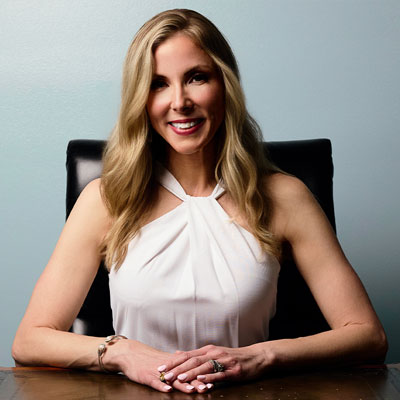
Written by: Dr. Carrie L. Morris
Triple Board-Certified Oculofacial Plastic Surgeon, Southern Coastal Aesthetics
About Dr. Morris